

Entrepreneurship & Business Growth: The Complete Guide to Scaling Smarter
The landscape of entrepreneurship has evolved dramatically. Today’s founder operates in an environment of rapid innovation, shrinking attention spans, global competition, and constant market shifts. Success is no longer about working harder—it’s about working smarter, strategically, and with an intentional structure that supports long-term scale.
This guide brings together the three essential pillars of modern business growth:
Leadership, Decision-Making & Founder Psychology
Growth & Scaling Fundamentals
Systems, Operations & Optimization
Each section is matched to an in-depth supporting article so you can explore every topic more deeply when you’re ready.
SECTION 1: Leadership, Decision-Making & Founder Psychology
Everything in your business—your culture, your systems, your growth strategy—flows from you, the founder. Before any company scales externally, the founder must scale internally. This first section explores the inner architecture of entrepreneurship: mindset, leadership, and decision-making.
1. Why Mindset Matters More Than Strategy in Scaling
Scaling success begins long before any blueprint or tactic is applied — it starts with the mindset behind the decisions. A leader’s beliefs, adaptability, and emotional resilience determine how effectively they navigate challenges, interpret setbacks, and sustain momentum during growth. The right mindset turns obstacles into opportunities, fuels consistent action, and amplifies the impact of every strategy you deploy. When founders prioritize clarity, resilience, and a growth-oriented approach, they create the internal foundation required for scalable, sustainable expansion.
2. Leadership in the Age of Automation: Guiding Teams Through Change
As automation reshapes how businesses operate, leaders have a critical role in guiding teams through technological and cultural shifts. This piece explores how leadership must evolve — embracing empathy, clarity, and strategic foresight — to successfully integrate automation while maintaining human-centered values. It offers insight on balancing efficiency gains with team morale, championing continuous learning, and aligning human talent with smart systems. With the right leadership mindset, automation becomes a tool for empowerment, not displacement — enabling scalable growth that respects both people and productivity.
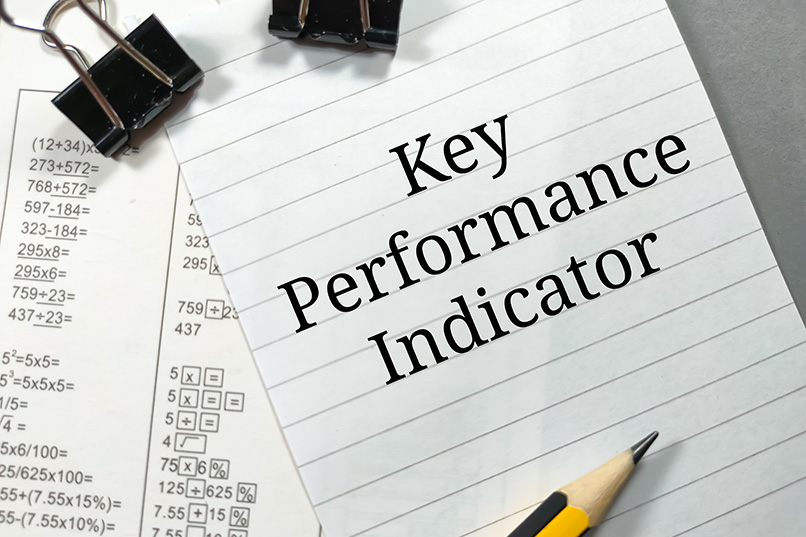
3. From Chaos to Clarity: How KPIs Turn Data Into a Growth Strategy
Understanding how Key Performance Indicators (KPIs) serve as a compass — turning scattered data and uncertainty into clear direction and growth-focused decision making. You’ll learn how to choose the right KPIs, align them with your business goals, and use them to track progress, spot issues early, and direct resources where they matter most. The guide shows how KPIs — whether financial (e.g. revenue growth, customer lifetime value), operational (e.g. conversion rate, retention), or digital/marketing metrics (e.g. organic traffic, bounce rate) — help you interpret performance meaningfully and adapt strategy over time. Whether you’re a small business or scaling enterprise, this framework empowers you to move beyond guesswork, transform raw data into insight, and build a repeatable, data-driven growth engine.
SECTION 2: Growth & Scaling Fundamentals
Growth isn’t random. It follows predictable patterns, stages, and strategic principles. This section covers the structural elements of scaling without overworking yourself or breaking what’s already working.
1. Understanding the Stages of Business Growth
Every business evolves through stages—from validation to traction to expansion to scale. But most founders get stuck because they try to skip steps or operate in multiple stages at once.
This section breaks down the natural progression of business growth and highlights what each stage demands from both you and your company.
2. The Owner’s Blind Spot: How Data-Driven Decisions Unlock Scalable Growth
Every founder or business owner relies on instinct and grit — but those early strengths can become hidden limitations as your company grows. In The Owner’s Blind Spot, learn how relying solely on intuition can mask inefficiencies, lead to misallocated resources, and stall growth. This article reveals the common decision-making “blind spots,” and shows how data-driven strategies — analytics, performance metrics, automation, and a culture of data literacy — can transform uncertainty into clarity, enabling smarter resource allocation, predictable scaling, and long-term business resilience.
3. The Sustainable Ambition Framework: Grow Bold — Without Burning Out
Explore a comprehensive, actionable blueprint for scaling your business — thoughtfully and sustainably. The Sustainable Ambition Framework shows entrepreneurs, executives, and teams how to pair growth with purpose: define clear, measurable ambitions; build a dynamic roadmap that evolves with your business; embed sustainability into every operation; engage stakeholders; track what truly matters; and foster ongoing innovation. This guide helps you grow smarter — not harder — so you can build long-term success without sacrificing social, environmental, or organizational health.
4. The Mindset of Sustainable Growth: How Successful Leaders Scale Without Burning Out
Growth that lasts doesn’t come from relentless hustle — it comes from intention, awareness, and sustainable habits. In this guide, learn how leaders stay mentally resilient, prioritize balance and clarity, and build healthy work rhythms while scaling their business. Discover strategies for avoiding burnout, managing stress, and fostering a culture that supports long-term success and well-being. With the right mindset, scaling becomes a journey of sustainable growth — for both the business and the people behind it.
SECTION 3: Systems, Operations & Optimization
This final section focuses on the infrastructure of a scalable company.
Without systems, growth leads to chaos. With systems, growth becomes predictable, profitable, and far easier to manage.
1. SOPs That Sell: How Operations Accelerate Sales & Deliver Happier Clients
Discover how behind-the-scenes operational systems — specifically well-designed Standard Operating Procedures (SOPs) — can become one of your strongest sales drivers. This post explains why SOPs matter, how to build and implement them, and how they help streamline sales cycles, increase consistency, reduce errors, and improve client satisfaction. Whether you’re a small firm or scaling business, this guide shows how creating repeatable, efficient workflows turns operations into a mechanism that boosts revenue, client loyalty, and sustainable growth.
2. What Are Fulfillment Services? A Small-Business Guide to Scaling Efficiently
This post demystifies fulfillment services — explaining what they are, how they work, and why they can be a game-changer for growing small businesses. Learn how third-party fulfillment providers manage warehousing, order processing, packing, shipping, and returns, freeing you from logistics headaches so you can focus on growth. Whether you’re a solo entrepreneur or an expanding online retailer, this guide shows how partnering with a fulfillment provider helps you scale smoothly, handle demand spikes, improve delivery, and operate more efficiently.
3. Systems Over Hustle: Why Scaling Requires Structure, Not Just Effort
This article argues that early-stage hustle only takes you so far — real, sustainable growth demands systems, not just grind. You’ll learn how to shift from constant bootstrapping to building repeatable processes: document recurring tasks, implement automation, define roles and responsibilities, and adopt time- and energy-management habits. The post explains how structure enables scalability, reduces burnout, improves consistency and team productivity, and ultimately turns chaos into a business “engine” that grows even when you step back.
4. The Execution Gap: Why Great Ideas Fail & How to Build Follow-Through Systems
A brilliant idea alone rarely leads to lasting success — without reliable follow-through, even the best plans stall. This piece breaks down why many great concepts never reach execution, highlighting common pitfalls like lack of structure, inconsistent accountability, poor prioritization, and vague responsibilities. Learn how to build systems that ensure ideas are acted on: clarify ownership, set milestones, establish feedback loops, and integrate execution into daily workflows. By turning concepts into consistent habits, you ensure vision becomes reality — helping your business move from potential to performance.
SECTION 4: Offers, Monetization & Revenue Strategy
1. Pricing Power-Up: Raise Rates Without Losing Your Best Clients
Raising your prices can feel risky — but done right, it can significantly boost revenue without alienating your most valuable clients. This guide shows you how to approach rate increases thoughtfully: communicate value clearly, reinforce trust, phase changes, and deliver excellent service to justify the new pricing. Learn how to balance profitability and client loyalty so you can strengthen your business’s financial health while preserving long-term relationships and client satisfaction.
2. Revenue Multipliers: 3 Ways to Increase Profit — Without New Clients
Boosting profits doesn’t always mean chasing more clients — with the right tactics, you can generate more revenue from the business you already have. This guide outlines three powerful profit-multipliers: optimizing your pricing, increasing average order value, and improving customer retention and upsells. By focusing on value, experience, and operational efficiency, you can drive more revenue per client, reduce churn, and build steadier, more predictable growth — all without relying solely on new customer acquisition.
3. Offer Architecture 2.0: Building Ascension Ladders, Retainers & Expansion Paths
An effective offer architecture moves beyond one-off sales — it creates a structured journey for clients that increases value, loyalty, and lifetime revenue. This guide explores how to design ascending service ladders, retainer-based models, and expansion paths that guide clients naturally from entry-level offerings to premium services. By thoughtfully bundling services and creating clear upgrade paths, businesses can maximize customer lifetime value, reduce churn, and build a scalable revenue model that grows with each client.
4. The Leverage Ladder: Build More Income Streams Without More Burnout
Expanding your income doesn’t have to mean working more hours — the Leverage Ladder shows you how to create additional revenue streams without adding stress. This guide walks you through building layered offerings and passive or semi-passive income sources that complement your core business. By leveraging existing assets, optimizing workflows, and designing scalable offers, you can diversify earnings, increase financial resilience, and grow sustainably — all without burning out yourself or your team.
Final Thoughts
Entrepreneurship is both an internal evolution and an external strategy.
When leadership, growth fundamentals, and systems align, businesses scale smarter—not harder.
This guide is your foundation. Each linked article deepens your understanding and helps you build a business designed for clarity, freedom, and long-term growth.
Ready to Build a Business That Scales With You—Not Because of You?
Most founders stay stuck in operator mode far longer than they should. If you’re ready to transition into the architect of your company—designing systems, building clarity, and unlocking true scale—David can help you get there faster.
Book your strategy session and start building a business engineered for freedom, momentum, and long-term success.


